A Fresh Start for 2026: Pipe Lagging and Energy Compliance in Victoria
 As 2026 begins, Melbourne’s construction and property sectors are entering a new phase of accountability around energy efficiency, comfort, and long-term building performance. With Victoria introducing new minimum energy efficiency standards for rental properties from 2027, the direction is clear: buildings must perform better, not just look compliant on paper.
While these reforms don’t introduce a standalone “pipe lagging law”, they raise the bar for how heating, hot water, cooling, and insulation systems are designed, specified, and installed. For builders, developers, and asset owners, this is the perfect time to reassess how mechanical services — including pipe lagging and cladding are handled across residential and mixed-use projects.
At Martis Laggers, we see 2026 as a reset. A chance to get insulation and lagging right from the start, avoid future compliance issues, and deliver buildings that perform efficiently for years to come.
What’s Changing in Victoria from 2026–2027?
The Victorian Government has confirmed new minimum energy efficiency standards for rental properties, with key requirements coming into effect from 1 March 2027, applied when new tenancies begin or leases are renewed.
These reforms focus on improving comfort, reducing energy bills, and cutting emissions across residential buildings, including townhouses and multi-unit developments.
Key changes include:
- Mandatory ceiling insulation where none exists
- Energy-efficient hot water and heating systems when systems reach end of life
- Energy-efficient cooling in main living areas (phased in through to 2030)
- Improved draught sealing and fixture efficiency
While pipe lagging is not explicitly named, these changes directly impact mechanical system performance — especially hot and cold water services, HVAC systems, and distribution pipework.
In simple terms: systems must operate more efficiently, and that efficiency depends heavily on how pipes are insulated and protected.
Why Pipe Lagging Matters More Than Ever
Pipe lagging has always played a role in thermal efficiency, condensation control, and acoustic performance. What’s changing is the level of scrutiny.
As energy efficiency standards tighten, poorly insulated pipework becomes a weak link that can undermine the performance of otherwise compliant systems.
In residential and multi-residential buildings, inadequate lagging can lead to:
- Heat loss in hot water systems, increasing energy demand
- Condensation on cold or chilled water lines, causing water damage and mould
- Reduced effectiveness of energy-efficient hot water units
- Noise transfer between units through uninsulated pipework
- Long-term maintenance issues that affect landlords and facility managers
With regulators and tenants placing more focus on comfort and running costs, lagging is no longer just a back-of-house detail.
Townhouses, Rentals, and Future Compliance
For townhouse developments, particularly those intended for rental, these changes are especially relevant.
While the new standards apply at the tenancy level, the reality is this: retrofitting insulation after construction is far more expensive than getting it right during the build.
Developers and builders working in 2026 have an opportunity to:
- Design mechanical systems that already exceed minimum expectations
- Reduce the likelihood of future upgrade costs for owners and landlords
- Deliver properties that are easier to lease, manage, and maintain
- Avoid future disputes around condensation, energy efficiency, or comfort
Pipe lagging supports all of this by ensuring hot and cold water systems perform as intended — both now and under future regulatory frameworks.
Energy Efficiency Isn’t Just About the Appliance
There’s a growing misconception that energy compliance is solved simply by installing an “efficient” hot water unit or HVAC system.
In practice, system efficiency depends on the entire delivery path — including pipework.
An efficient heat pump or boiler feeding poorly insulated pipes will still waste energy. Lagging ensures that the energy generated actually reaches the point of use, supporting the intent of Victoria’s new standards.
This is where proper specification matters.
Why Specification and Early Planning Matter in 2026
With energy standards evolving, generic or outdated specifications are becoming a liability.
Early engagement with insulation specialists allows project teams to:
- Select the right lagging materials for each system
- Ensure thicknesses align with NCC and Australian Standards
- Address condensation risks before they become defects
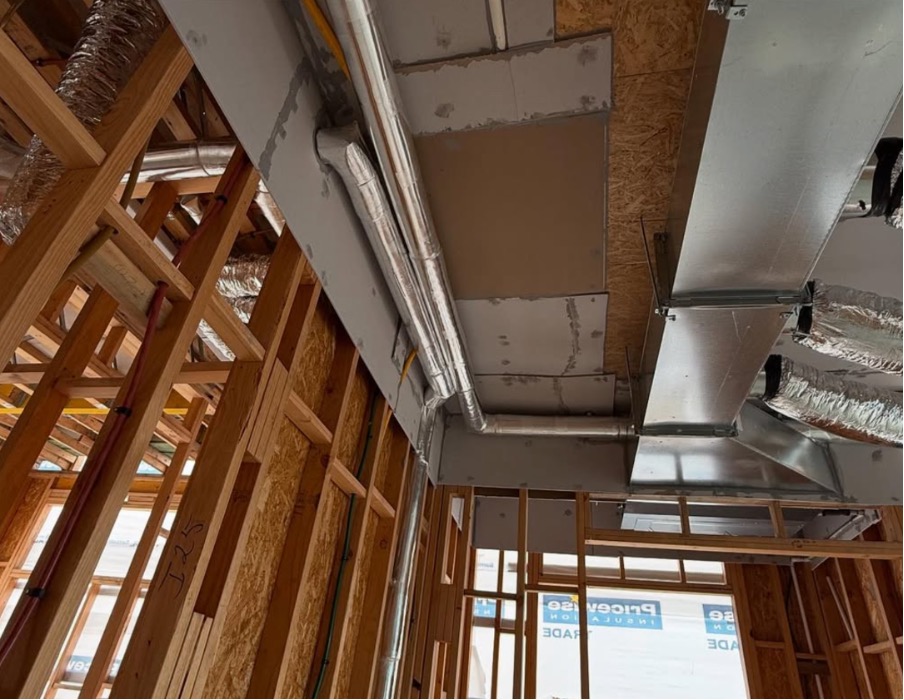
- Integrate acoustic lagging in multi-unit buildings
- Specify appropriate cladding for long-term protection
Getting this right early avoids rework, delays, and costly post-construction fixes — especially important as compliance expectations continue to rise.
The Role of Lagging and Cladding as a System
One of the most common issues we see on projects is lagging being treated in isolation.
In reality, lagging and cladding are a combined system.
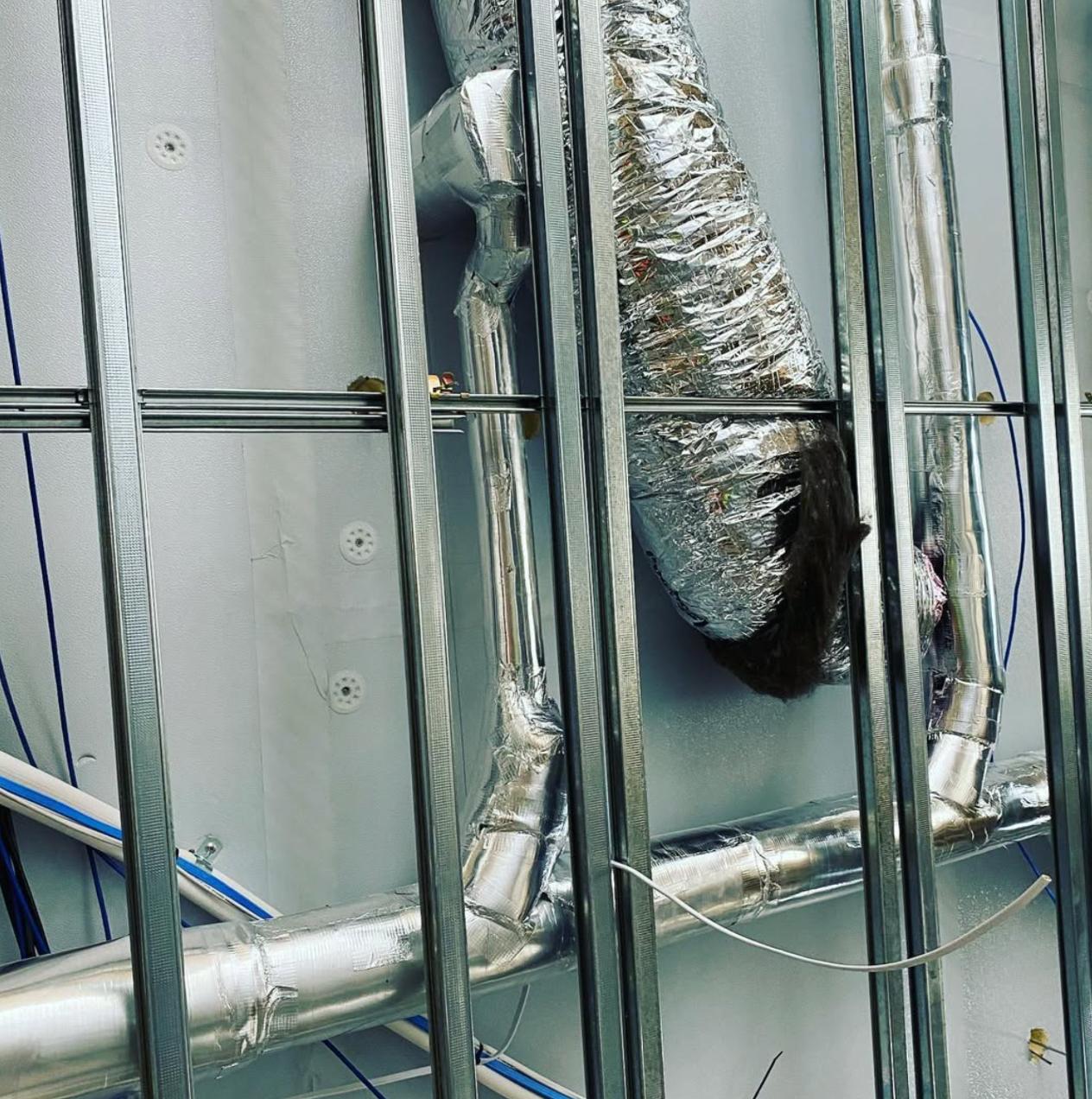
- Lagging delivers thermal, acoustic, and fire performance
- Cladding protects that insulation from moisture, impact, UV exposure, and ongoing wear
Without proper cladding, even high-quality insulation can be compromised over time — especially in risers, plant rooms, basements, and external areas.
As buildings are expected to perform efficiently for longer, durability becomes just as important as initial compliance.
How Martis Laggers Supports Future-Ready Builds
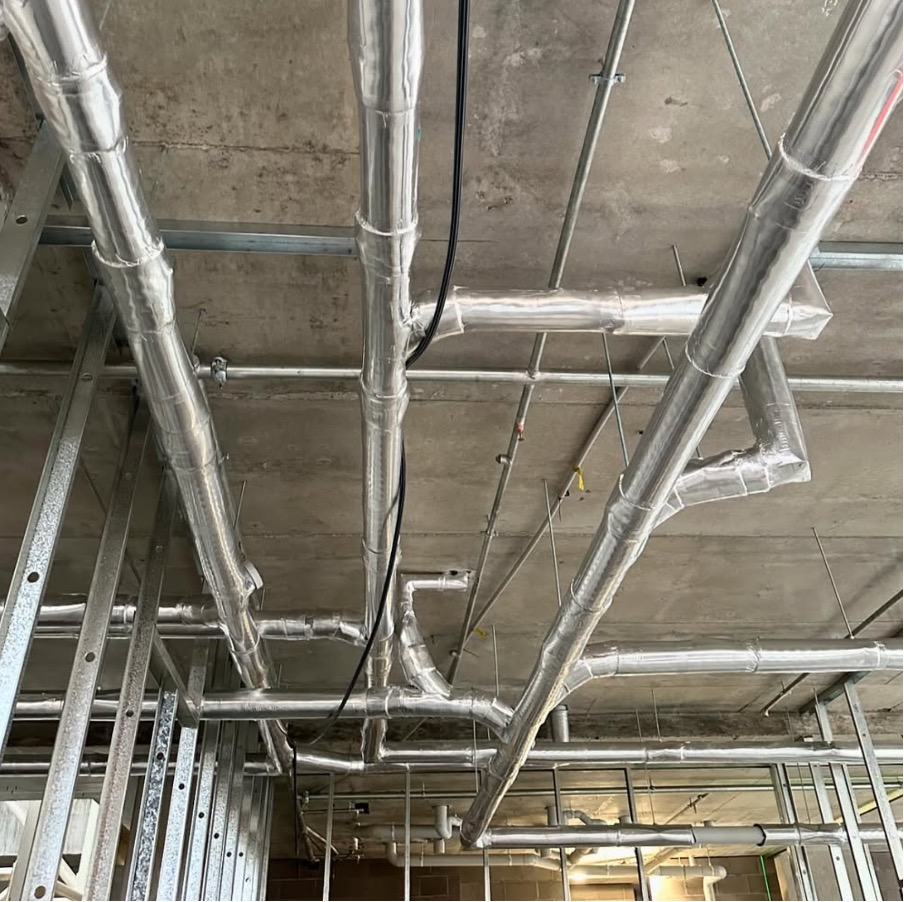
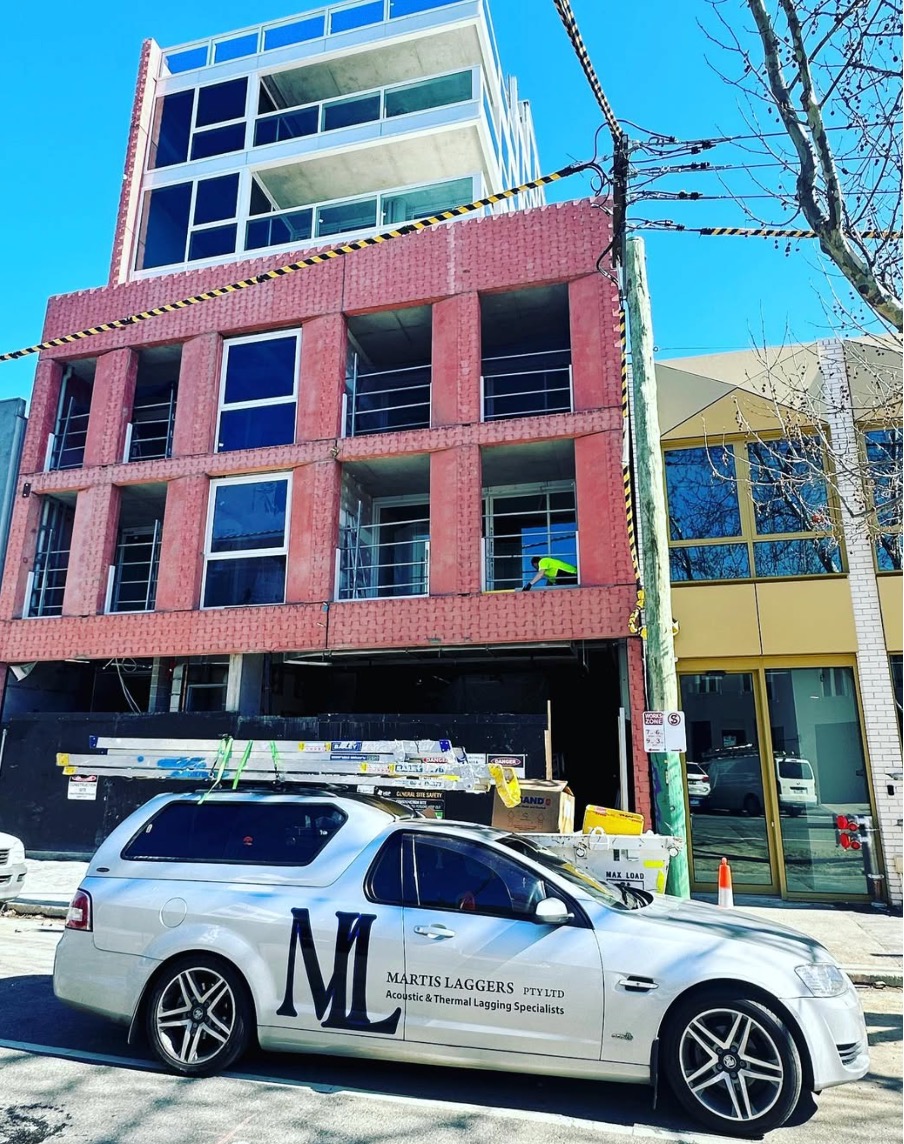
For over a decade, Martis Laggers has worked across Melbourne’s commercial, industrial, and multi-residential sectors, delivering pipe lagging, acoustic insulation, thermal insulation, and cladding solutions that stand the test of time.
As we head into 2026, our role is increasingly about future-proofing projects.
We help builders, developers, and facility managers by:
- Reviewing specifications for compliance and performance
- Recommending materials suited to hot, cold, and chilled water systems
- Installing lagging systems that support energy efficiency and condensation control
- Protecting insulation with durable cladding solutions
- Providing documentation to support inspections and handovers
Our approach is practical, compliant, and focused on long-term outcomes — not shortcuts.
A Smarter Way to Start 2026
The new year brings new expectations. For Victoria’s building industry, 2026 is the ideal time to align construction practices with the direction of regulation.
While pipe lagging may not be headline legislation, it plays a critical role in helping buildings meet energy efficiency goals, avoid future upgrades, and deliver better outcomes for owners and occupants alike.
By treating lagging and insulation as part of the overall performance strategy — not an afterthought, project teams can stay ahead of compliance and deliver buildings that work as intended.
If you’re planning or delivering projects in 2026 and beyond, now is the time to get your pipe lagging sorted properly.
Get in touch with Martis Laggers and start the year knowing your insulation and cladding are done right.
Disclaimer
This article is provided free of charge for public information. We do not guarantee, and accept no legal liability for, the accuracy, reliability, currency, or completeness of the content or any linked material. Users should apply their own judgment and verify the material’s relevance to their needs. This article is a general summary and not a substitute for legal or professional advice. Users should seek appropriate advice for their circumstances. Any third-party views expressed do not necessarily reflect ours or imply endorsement.