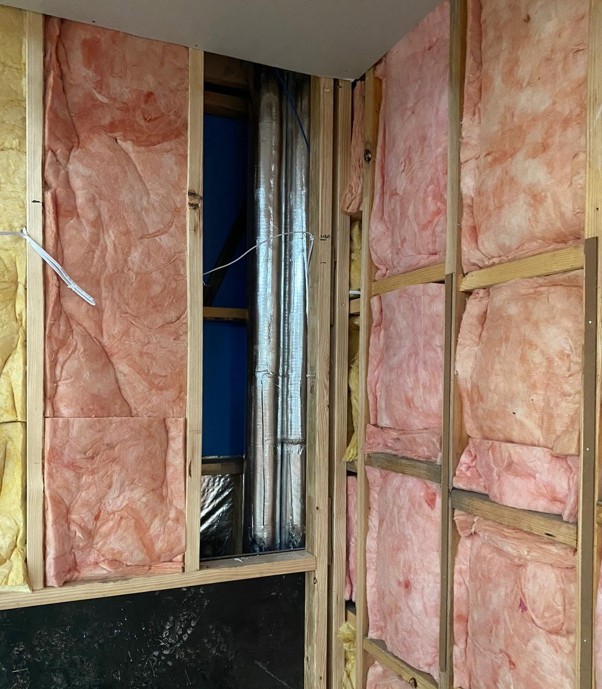
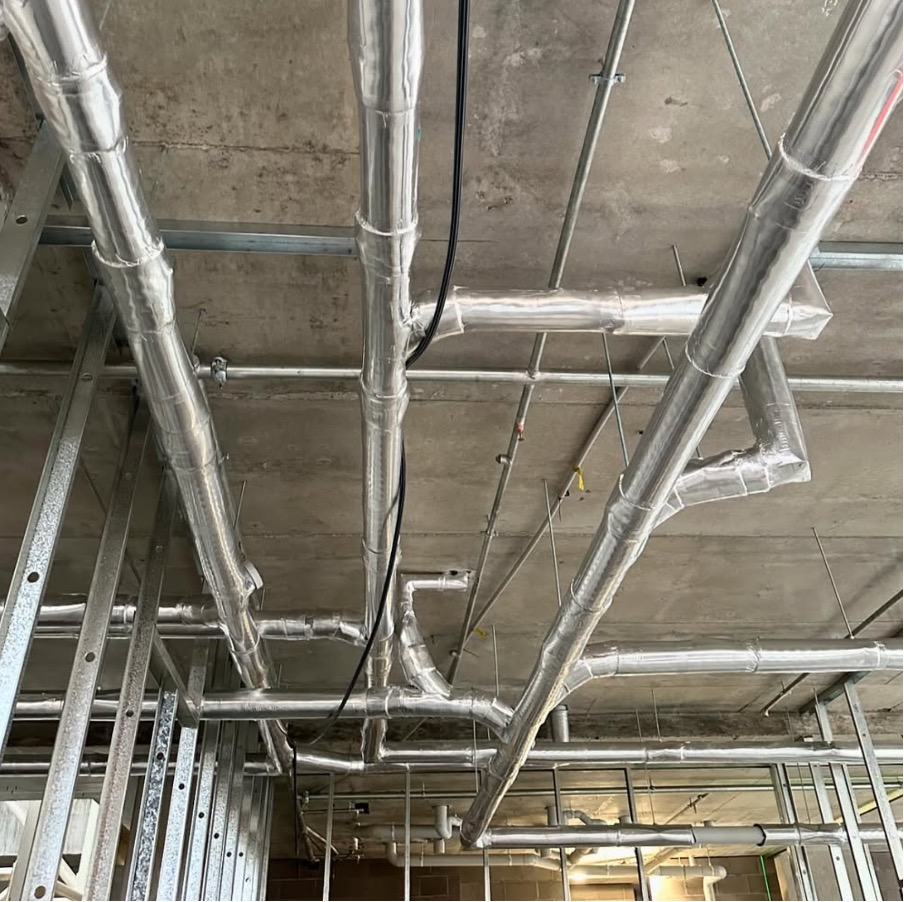
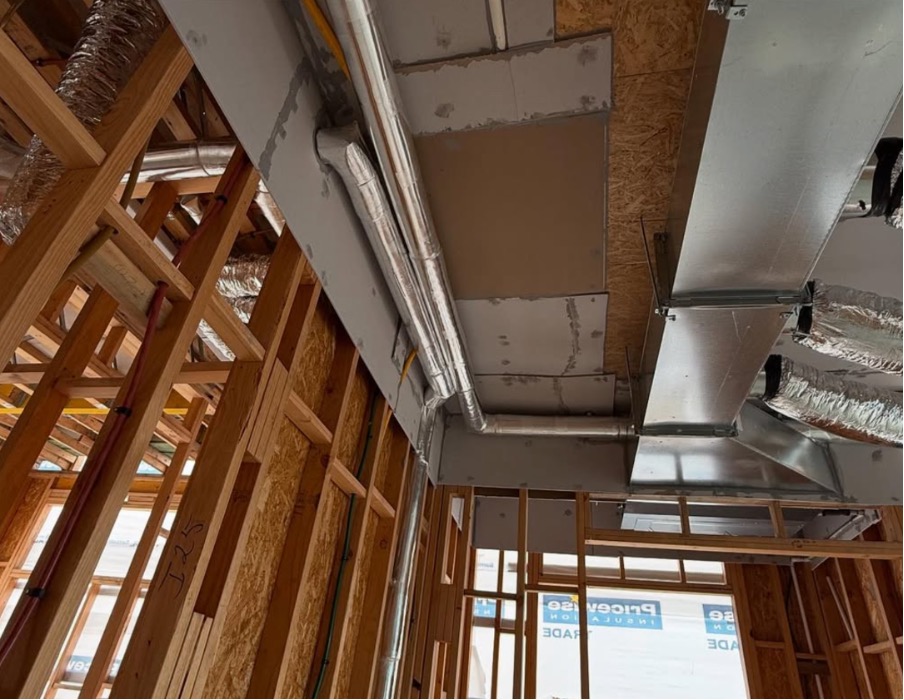
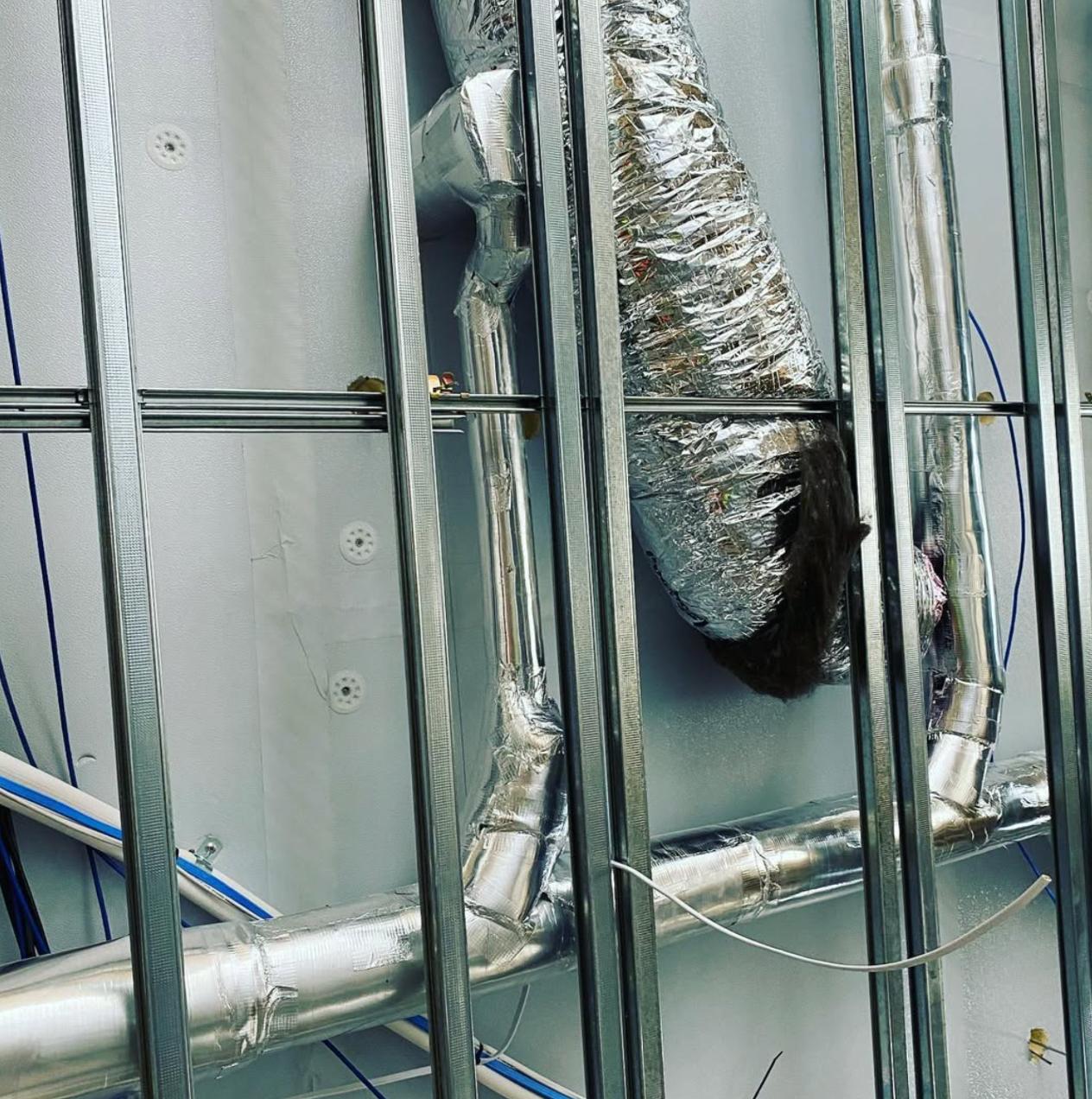
EOFY Pipe Lagging Review: Costly Specification Mistakes to Avoid

As the end of the financial year approaches, builders, developers, and project managers across Melbourne are reviewing completed projects, forecasting budgets, and preparing upcoming developments for the new financial year.
While major construction costs often attract the most attention during EOFY reviews, smaller specification issues can quietly create significant expenses throughout a project. Pipe lagging is one of them.
For Melbourne builders and contractors planning FY26 projects, EOFY presents the perfect opportunity to review current pipe lagging specifications and identify areas that may be costing more than expected.
Why EOFY Is the Right Time to Review Pipe Lagging Specifications
EOFY isn't just about balancing budgets. It's also an opportunity to evaluate project performance and identify recurring issues that impact profitability.
Poor pipe lagging specifications can lead to failed inspections, condensation issues, acoustic complaints, project delays, and expensive rework. These costs often don't become apparent until construction is well underway or after handover.
Many construction businesses spend time reviewing:
- Material expenditure
- Labour efficiency
- Defect rectification costs
- Project delays
- Supplier performance
- Compliance outcomes
Pipe lagging often intersects with all of these areas. Reviewing these specifications before new projects commence helps minimise risk and improve project outcomes moving forward.
Mistake #1: Using Generic Pipe Lagging Specifications
At Martis Laggers, one of the most common issues we face across Melbourne projects is the use of broad or outdated specifications.
Many mechanical drawings simply state that pipe lagging is required without clearly defining:
- Insulation thickness
- Material type
- Thermal performance requirements
- Acoustic requirements
- Vapour barriers
- Cladding requirements
While this may appear sufficient during design, ambiguity often creates problems during installation.
Different pipe services have different performance requirements. Hot water, chilled water, hydraulic services, and HVAC systems all require specific insulation solutions.
A generic approach can result in underperforming systems, increased costs, and compliance concerns.
Mistake #2: Leaving Pipe Lagging Considerations Too Late
Pipe lagging is often brought into the conversation after mechanical services have already been designed and coordinated.
By this stage, builders can face several challenges:
- Insufficient clearance within risers
- Congested ceiling spaces
- Service clashes
- Difficult installation access
- Increased labour costs
When lagging thickness has not been considered during design, installers are often forced to work around space limitations. This can compromise performance and create avoidable delays.
Early coordination allows projects to accommodate insulation requirements from the outset rather than attempting to retrofit solutions later.
Mistake #3: Underestimating Condensation Risks
Condensation remains one of the most expensive issues associated with poorly specified pipe lagging.
Cold water and chilled water systems require sufficient insulation thickness to maintain surface temperatures above dew point. If lagging is inadequate, moisture can develop on pipe surfaces and spread into surrounding building materials.
The consequences can include:
- Water damage
- Mould growth
- Ceiling repairs
- Warranty claims
- Occupant complaints
In apartment developments, these issues can affect multiple levels and significantly increase rectification costs.
Addressing condensation risks during specification is considerably more cost-effective than addressing water damage after completion.
Mistake #4: Overlooking Acoustic Performance
Acoustic performance is becoming increasingly important across Melbourne's growing multi-residential sector.
Townhouses, apartments, and mixed-use developments often contain shared walls and service risers where noise transfer can become a problem.
When acoustic requirements are overlooked, occupants may experience:
- Water flow noise
- Drainage noise
- Vibration transfer
- Reduced comfort levels
Retrofitting acoustic insulation after handover is rarely straightforward and often comes at a significant cost.
Reviewing acoustic requirements during project planning helps avoid these issues and supports a better end-user experience.
Mistake #5: Failing to Consider Lagging and Cladding Together
Many projects treat pipe lagging and pipe cladding as separate considerations.
In reality, they should often be viewed as a complete system.
External pipework, rooftop services, and exposed plant areas face additional risks from:
- UV exposure
- Moisture ingress
- Mechanical damage
- Environmental wear
Without appropriate cladding protection, insulation performance can deteriorate over time.
Builders reviewing project specifications before FY26 should ensure both lagging and cladding requirements are considered together to maximise long-term durability.
Mistake #6: Focusing Only on Installation Costs
During budget reviews, it can be tempting to focus solely on upfront installation costs.
However, pipe lagging decisions should be evaluated against the full lifecycle of the building.
An under-specified insulation system may initially reduce costs but can create significant expenses through:
- Energy inefficiency
- Maintenance requirements
- Defect rectification
- Compliance issues
- Reduced system lifespan
For developers and builders focused on long-term value, performance should be considered alongside installation costs.
NCC 2025 Is Raising the Stakes for Pipe Lagging
With NCC 2025 introducing stronger requirements around energy efficiency, condensation management, and overall building performance, pipe lagging is becoming an increasingly important consideration for Melbourne builders and developers.
While many EOFY reviews focus on budgets, timelines, and procurement strategies, the latest NCC changes highlight the need to also review mechanical insulation specifications. Areas that may have previously been considered minor details can now have a greater impact on compliance outcomes and long-term building performance.
For builders preparing projects for FY26, pipe lagging should no longer be viewed as simply a finishing trade. It is an important part of delivering compliant, efficient, and high-performing buildings that meet modern construction standards.
What Builders Should Review Before FY26 Projects Begin
As Melbourne builders and developers prepare for FY26, reviewing insulation specifications now can help identify hidden risks before they become expensive site issues.
As new projects move into planning and procurement stages, EOFY provides an ideal opportunity to review:
- Existing pipe lagging specifications
- Insulation thickness requirements
- Acoustic performance expectations
- Condensation management strategies
- Cladding requirements
- Service coordination drawings
- Compliance documentation processes
Addressing these areas early can reduce variations, minimise rework, and support smoother project delivery.
Start the New Financial Year With Better Specifications
Pipe lagging may not be the largest item within a project's budget, but specification mistakes can create costly consequences that affect compliance, performance, and profitability.
EOFY is the ideal time to identify specification gaps, reduce project risk, and improve future building performance. Contact Martis Laggers today to discuss your upcoming projects and ensure your pipe lagging systems are designed and installed correctly from day one.
Disclaimer
This article is provided free of charge for public information. We do not guarantee, and accept no legal liability for, the accuracy, reliability, currency, or completeness of the content or any linked material. Users should apply their own judgment and verify the material’s relevance to their needs. This article is a general summary and not a substitute for legal or professional advice. Users should seek appropriate advice for their circumstances. Any third-party views expressed do not necessarily reflect ours or imply endorsement.