Pipe Lagging for Townhouses in Melbourne: Done Right From Day One
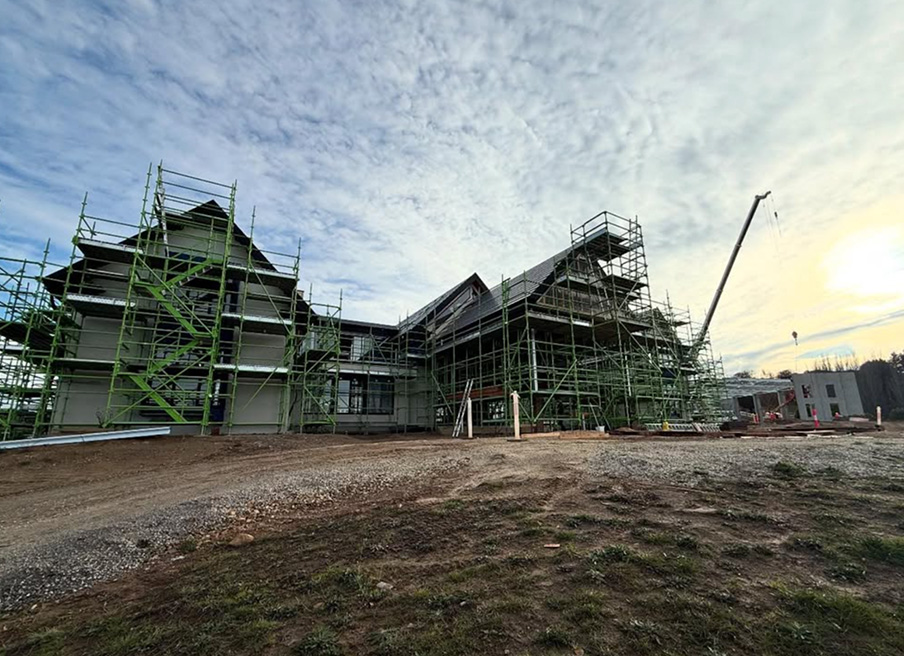
Townhouse construction across Melbourne continues to accelerate, driven by urban infill, medium-density zoning, and growing demand for energy-efficient housing. As projects become more complex and regulatory expectations continue to rise, the role of pipe lagging in townhouse developments has become a critical part of long-term building performance.
For builders, developers, and project managers, pipe lagging plays a direct role in energy efficiency, occupant comfort, compliance outcomes, and future maintenance costs. With Victoria’s new minimum energy efficiency standards for rental properties approaching, now is the time to ensure townhouse projects are designed and delivered with the right insulation systems from the start.
At Martis Laggers, we work closely with Melbourne townhouse builders to install pipe lagging systems that support compliance, durability, and long-term value — not just short-term box-ticking.
Why Pipe Lagging Matters in Townhouse Construction
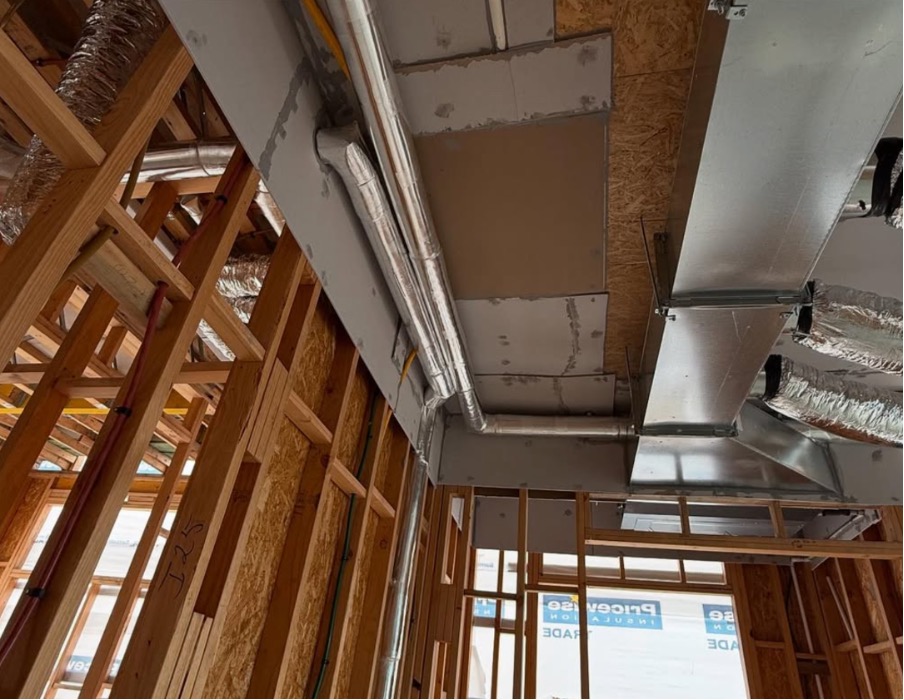
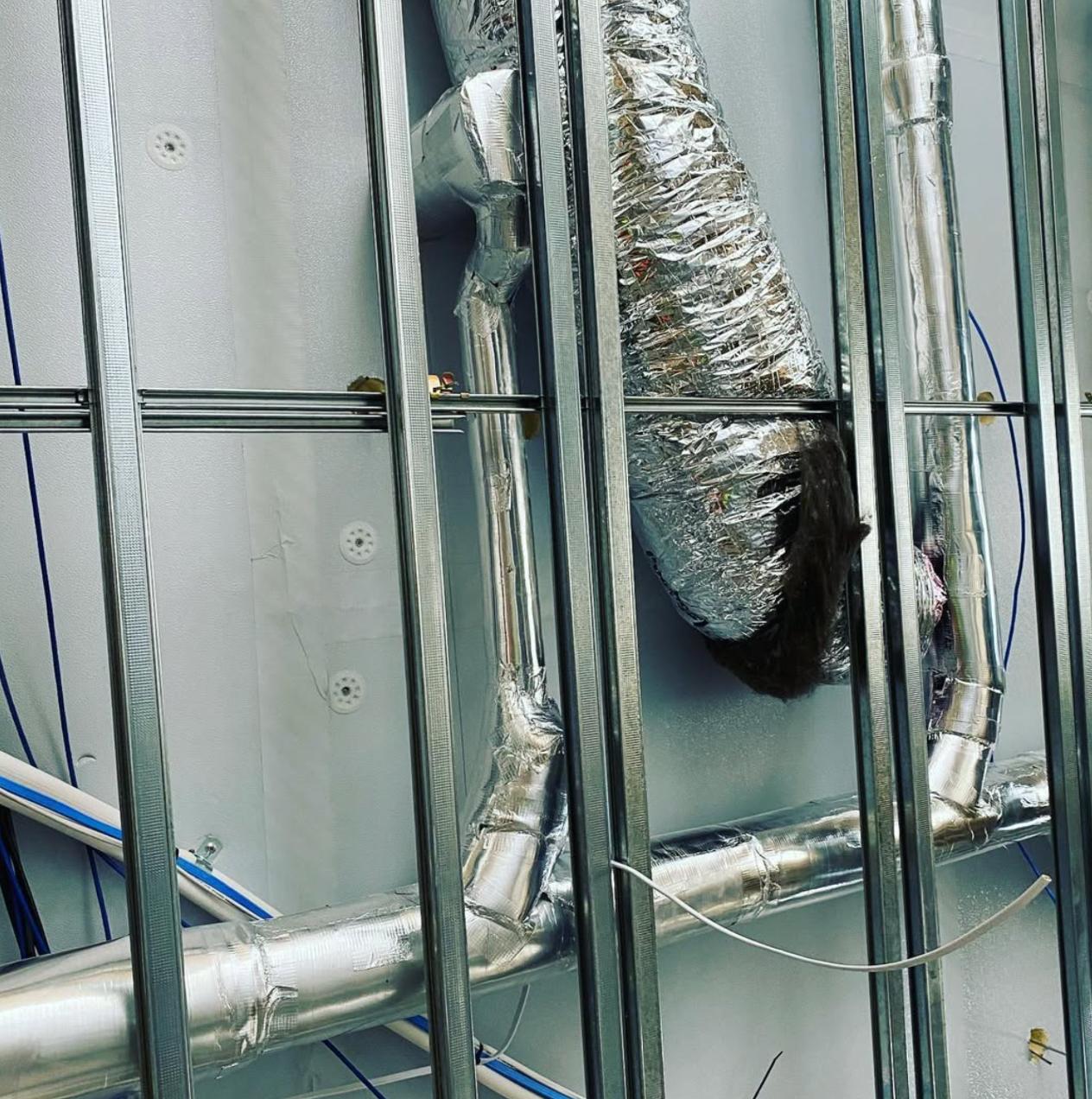
Townhouses present unique challenges compared to standalone homes. Shared walls, stacked services, confined risers, and tighter service corridors all increase the importance of correct mechanical insulation.
Pipe lagging in townhouses supports several key performance areas:
- Thermal efficiency across hot and cold water services
- Condensation control in ceiling spaces, walls, and risers
- Acoustic separation between dwellings
- Protection of pipework from damage during construction and over time
- Improved lifespan of mechanical systems
Without properly specified and installed lagging, even high-quality plumbing and HVAC systems can underperform.
In multi-dwelling environments, small oversights are often multiplied across every unit.
The Melbourne Context: Higher Density, Higher Expectations
Melbourne’s townhouse developments are increasingly built for long-term ownership or rental portfolios. That shifts the focus from minimum compliance to operational performance.
Poorly lagged pipework can lead to:
- Heat loss in domestic hot water systems
- Excessive energy usage
- Condensation damage inside walls and ceilings
- Noise complaints between neighbouring dwellings
- Higher maintenance and rectification costs
As regulatory frameworks tighten around energy efficiency and occupant comfort, these issues are drawing more scrutiny from building surveyors, certifiers, and asset owners.
Pipe Lagging and Energy Efficiency Changes
Victoria’s upcoming minimum energy efficiency standards for rental properties, commencing from March 2027, place stronger emphasis on how buildings actually perform once occupied.
While pipe lagging is not listed as a standalone regulation, its impact is direct.
Energy-efficient hot water systems, heat pumps, and HVAC units rely on well-insulated pipework to deliver their intended performance. Heat lost through uninsulated or poorly lagged pipes undermines system efficiency and increases running costs.
In townhouse developments — particularly those intended for rental, correct pipe lagging supports:
- Reduced heat loss in hot water distribution
- Stable water temperatures at fixtures
- Lower energy demand across multiple dwellings
- Better alignment with future compliance expectations
Builders delivering projects in Melbourne today are in a strong position to exceed minimum requirements rather than face retrofits later.
Common Pipe Lagging Areas in Townhouses
Townhouse projects include a wide range of services that require careful insulation planning.
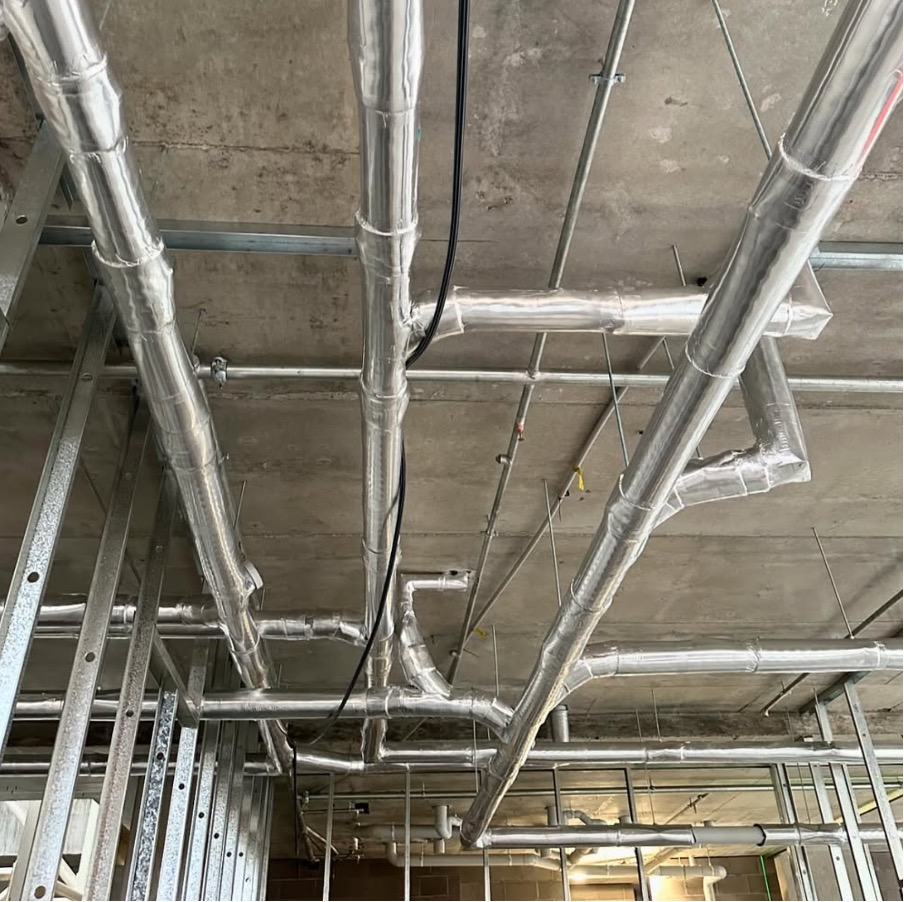
Typical areas requiring professional pipe lagging include:
- Domestic hot water flow and return lines
- Cold water services where condensation risk exists
- HVAC chilled water and heating pipework
- Mechanical risers and shared service shafts
- Plant rooms and rooftop equipment
- Basement services and exposed pipework
Each area presents different challenges related to space, temperature variation, moisture exposure, and acoustic performance.
Generic specifications rarely address these nuances effectively.
Condensation Control in Multi-Dwelling Builds
Condensation remains one of the most common long-term defects in townhouse construction.
Cold water and chilled services running through warm ceiling cavities, wall spaces, or risers can produce ongoing moisture without proper insulation. Over time, this leads to mould, plaster damage, and corrosion — often well after project handover.
Proper pipe lagging:
- Maintains surface temperatures above dew point
- Reduces moisture accumulation
- Protects surrounding building materials
- Minimises long-term defect claims
In Melbourne’s variable climate, condensation control is not optional, but a performance requirement.
Acoustic Performance Between Townhouses
Noise transfer through pipework is another frequent issue in townhouse developments. Water hammer, flow noise, and vibration can travel easily through uninsulated pipes, particularly in shared walls and floors.
Acoustic pipe lagging helps:
- Reduce noise transmission between dwellings
- Improve occupant comfort
- Support NCC acoustic performance expectations
- Minimise post-handover complaints
In medium-density housing, acoustic performance directly affects tenant satisfaction and property reputation.
Specification Matters More Than Ever
As construction standards evolve, outdated or vague specifications create risk.
Effective pipe lagging specifications should address:
- Correct insulation materials for each service type
- Appropriate thicknesses based on temperature and location
- Fire performance requirements
- Condensation risk areas
- Durability and protection requirements
Early engagement with experienced lagging contractors allows builders to resolve these details before installation begins, avoiding delays and rework.
The Importance of Cladding in Townhouse Projects
Lagging alone is not enough. Cladding protects insulated pipework from physical damage, moisture ingress, UV exposure, and ongoing wear — particularly in basements, car parks, risers, and external areas.
In townhouse developments, properly clad services deliver:
- Longer insulation lifespan
- Reduced maintenance requirements
- Cleaner, more professional finishes
- Better long-term building performance
Lagging and cladding should always be treated as a complete system.
How Martis Laggers Supports Townhouse Builders in Melbourne
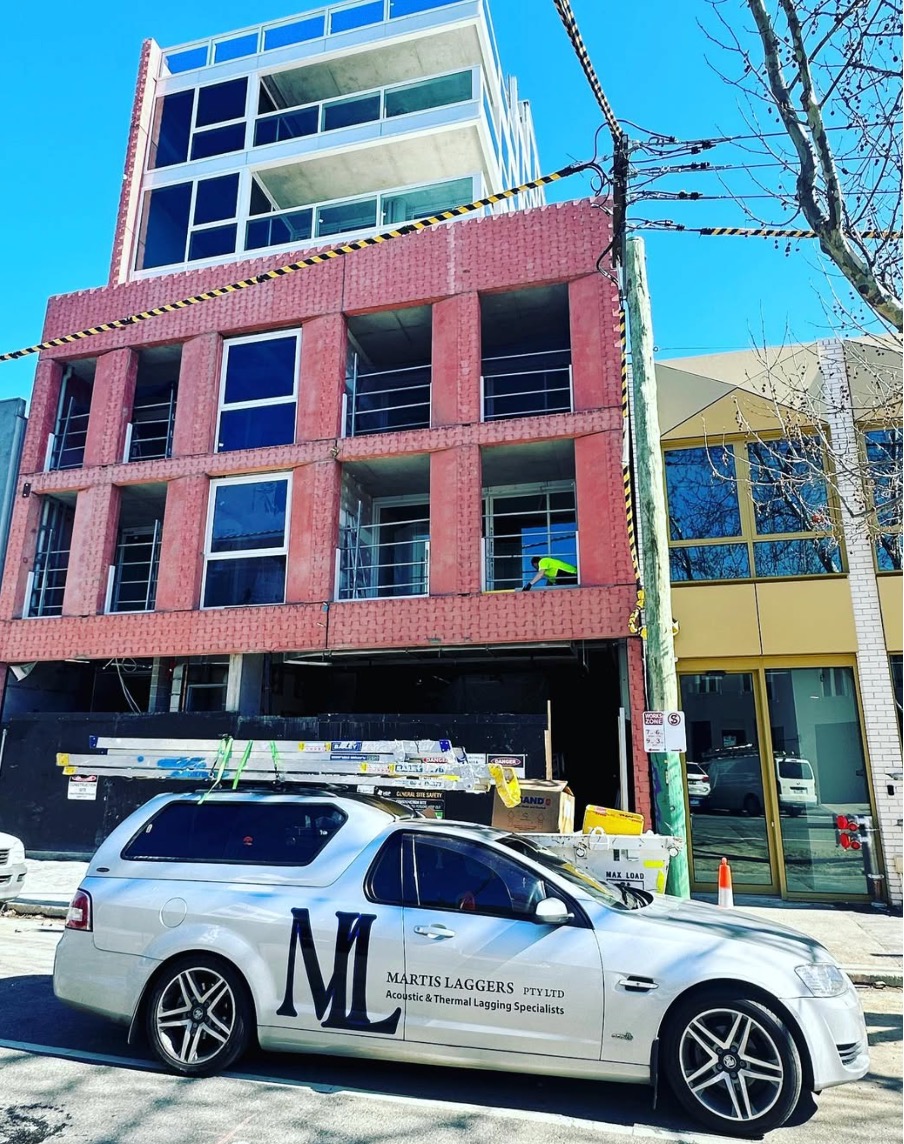
Martis Laggers has extensive experience delivering pipe lagging and cladding solutions across Melbourne’s townhouse, apartment, commercial, and industrial sectors.
We support projects by:
- Reviewing drawings and specifications for performance gaps
- Advising on materials suited to hot, cold, and chilled systems
- Installing thermal and acoustic lagging to Australian Standards
- Providing durable cladding solutions in high-risk areas
- Supporting inspections, handovers, and compliance documentation
With energy efficiency expectations rising and townhouses remaining a key part of Melbourne’s housing future, now is the right time to prioritise insulation and lagging as part of the overall building strategy.
If you’re planning or delivering townhouse projects in Melbourne, speak with the Martis Laggers team to ensure your pipe lagging is specified, installed, and protected correctly from the start.
Disclaimer
This article is provided free of charge for public information. We do not guarantee, and accept no legal liability for, the accuracy, reliability, currency, or completeness of the content or any linked material. Users should apply their own judgment and verify the material’s relevance to their needs. This article is a general summary and not a substitute for legal or professional advice. Users should seek appropriate advice for their circumstances. Any third-party views expressed do not necessarily reflect ours or imply endorsement.