Thermal Lagging in Melbourne Apartments: Project Guide
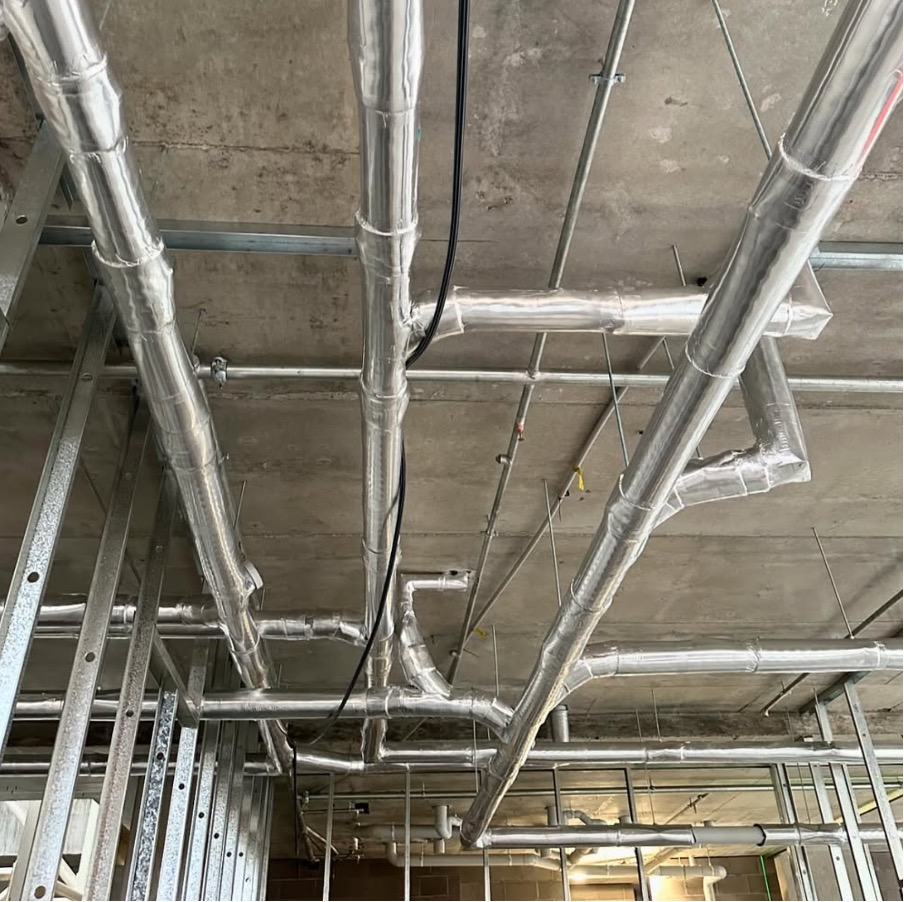
Thermal lagging is an important part of mechanical services across Melbourne apartment developments. From central hot water systems and heating services to chilled water pipework, insulation needs to perform consistently across long pipe runs, multiple risers and shared service areas.
For builders, mechanical contractors, developers and project managers, finding the right thermal lagging contractor is not simply about finding someone to wrap insulation around a pipe. Apartment projects require careful coordination, accurate quantities and an insulation system suited to the pipework, operating conditions and building environment.
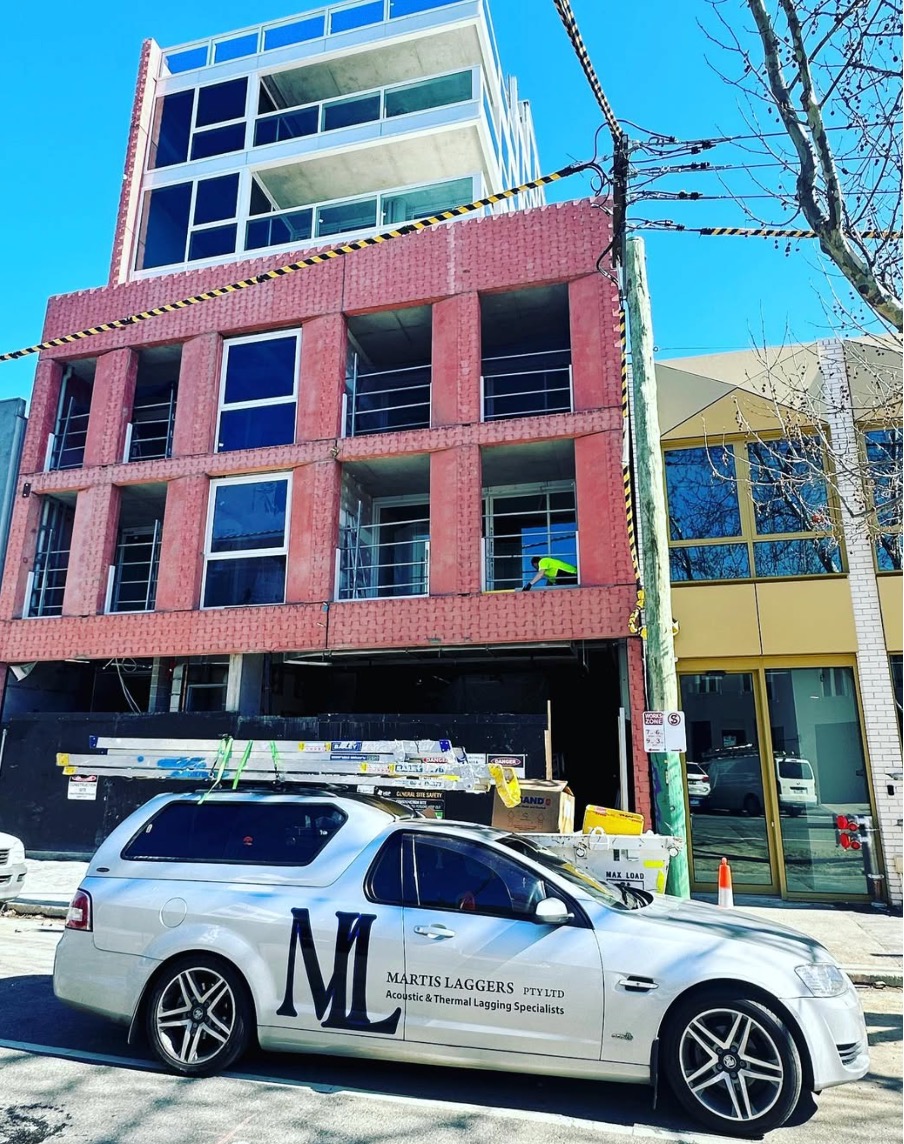
At Martis Laggers, we provide thermal lagging and pipe insulation services across Melbourne for residential, commercial and multi level developments. Our experience includes working with the larger pipe runs, multiple service areas and site coordination requirements that come with apartment construction.
What Is Thermal Lagging?
Thermal lagging is insulation installed around pipework to help control heat transfer.
For heated services, insulation helps reduce heat loss as water travels through the building. For chilled and cold services, it helps limit heat gain and can assist with condensation control.
In an apartment building, this becomes particularly important because pipework can travel considerable distances between plant rooms, risers and individual apartments.
A central plant system may serve dozens or hundreds of dwellings, meaning the performance of the pipe insulation needs to be considered across the entire network rather than as isolated sections of pipe.
Why Thermal Lagging Matters in Apartment Developments
Apartment buildings present different challenges from smaller residential projects.
A townhouse might have relatively short and accessible pipe runs. An apartment development can involve:
- Multiple vertical risers
- Central plant rooms
- Long horizontal pipe runs
- Multiple pipe diameters
- Heating and chilled water systems
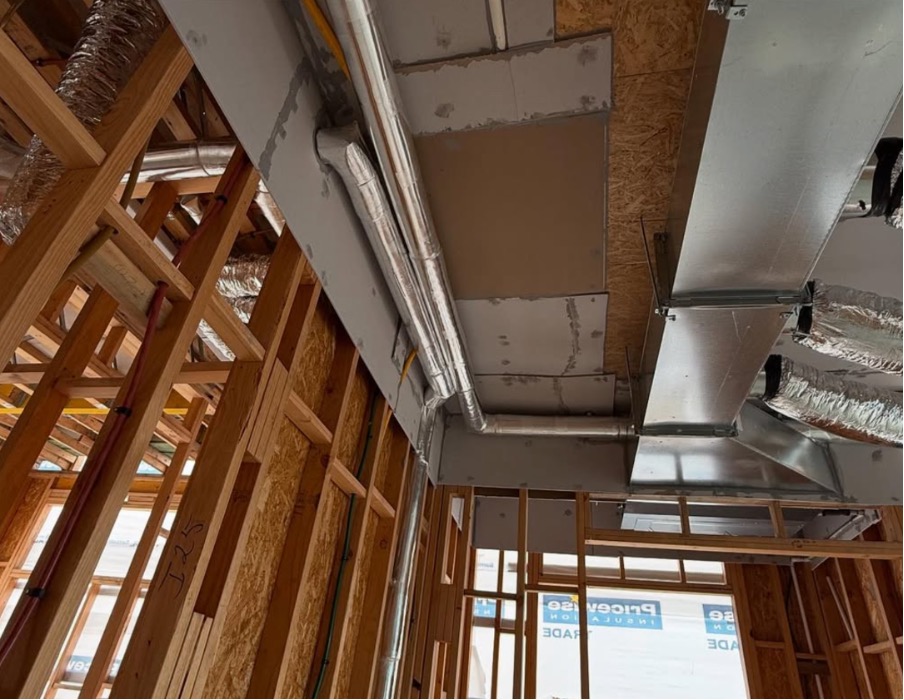
- Congested service areas
- Limited access around completed services
- Pipework passing through multiple floors
- NCC regulations and compliance
These conditions make thermal lagging an important part of the overall mechanical services package. If insulation is inadequate or poorly installed, heat can be lost along pipe runs, condensation can develop on cold services and the mechanical system may need to work harder to maintain the required temperatures.
Across a large apartment development, even relatively small inefficiencies can become significant when repeated across hundreds of metres of pipework.
Thermal Lagging for Hot Water Systems
Centralised hot water systems are common in larger apartment developments.
Hot water may need to travel from a plant room through risers and distribution pipework before reaching individual apartments. Without adequate insulation, heat can transfer from the pipe into surrounding spaces during this journey.
Thermal lagging helps maintain the temperature of the water and reduces unnecessary heat loss. The appropriate insulation system depends on factors including pipe diameter, operating temperature, required thermal performance and the material selected.
For project teams, this means insulation should be considered as part of the mechanical system rather than an afterthought once the pipework has been installed.
Thermal Lagging for Chilled Water Systems
Chilled water pipework presents a different challenge.
The surrounding air can be significantly warmer than the pipe surface, creating a risk of condensation if the insulation system is not appropriately designed and installed.
Condensation can become particularly problematic when pipework is concealed within ceilings, risers or service cavities. Moisture can affect surrounding building materials and create maintenance issues that are difficult and expensive to resolve after completion.
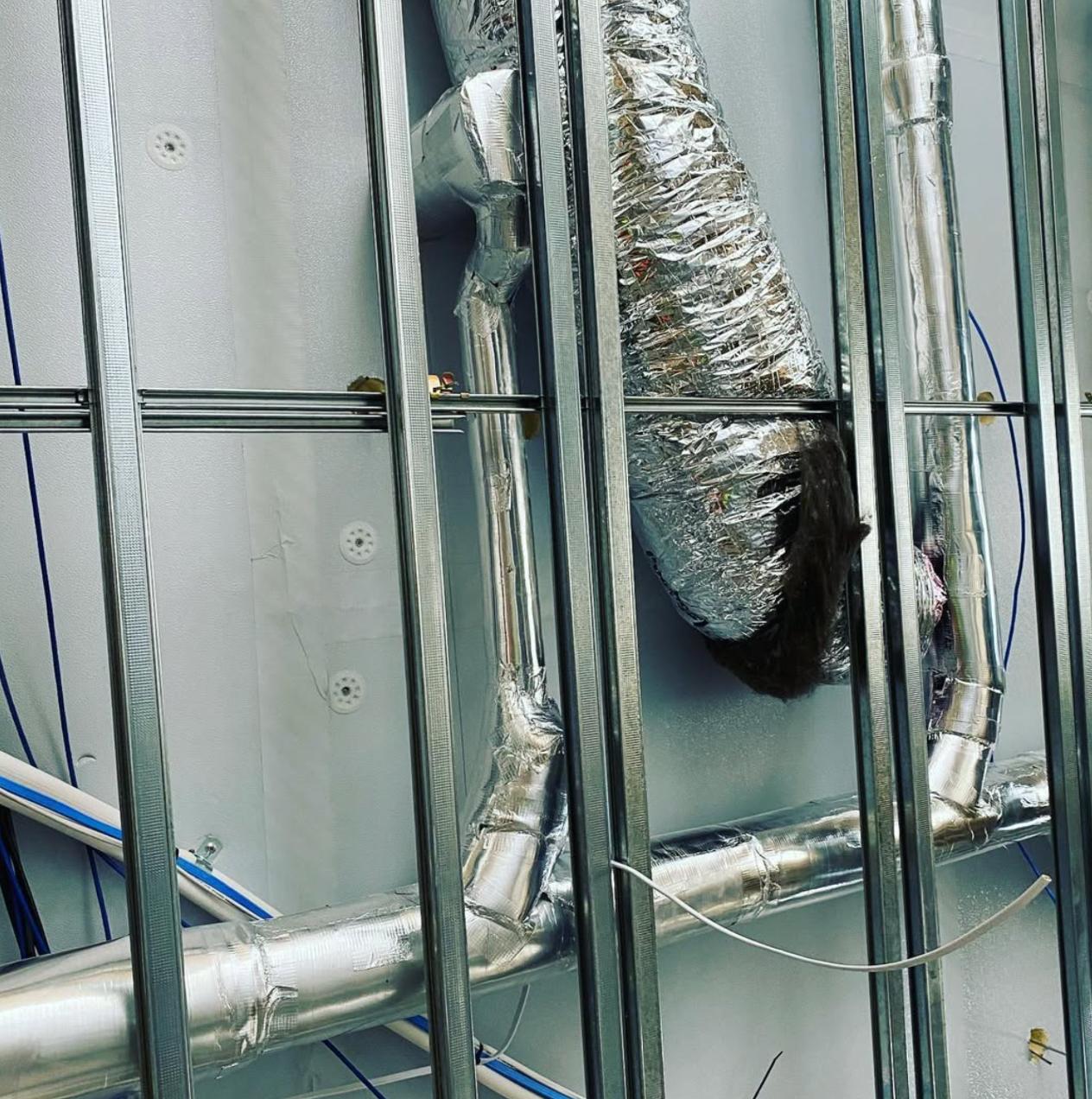
For chilled water systems, the insulation needs to provide appropriate thermal resistance while maintaining an effective vapour barrier. Joints, penetrations, fittings and supports also need to be considered, a small gap in the insulation system can compromise an otherwise well insulated pipe run.
What Does an Apartment Thermal Lagging Project Involve?
A typical apartment project can involve significantly more than simply installing insulation along straight pipework.
Before pricing or commencing work, a lagging contractor may need to consider:
Pipe Sizes and Quantities
The project may contain numerous pipe diameters, with each requiring different insulation requirements.
Accurate quantities help establish the material requirements and labour involved.
Linear Metres
Large developments can contain hundreds or thousands of linear metres of pipework.
Quantities should ideally be broken down by riser, floor, service or pipe size to make the scope easier to review and price.
Bends, Valves and Fittings
Elbows, valves, flanges and other fittings require additional work and materials.
These should be included in the scope rather than assuming a project consists entirely of straight pipe.
Plant Rooms and Risers
Plant rooms and risers can be among the most congested areas of an apartment development.
Installation needs to be coordinated around other mechanical and electrical services while still allowing sufficient space for the required insulation thickness.
Access and Site Conditions
The stage of construction can have a significant impact on installation.
Installing lagging while pipework remains accessible is generally more straightforward than attempting to work around completed ceilings, walls or other services.
For this reason, thermal lagging should be coordinated with the broader construction programme.
How Much Thermal Lagging Does an Apartment Project Need?
There is no single thickness that can be applied to every apartment project. The required insulation depends on the service, pipe diameter, operating temperature, insulation material and applicable performance requirements.
For some systems, insulation thicknesses may be in the 20mm to 25mm range, while larger or higher performance applications can require 50mm or substantially more.
High temperature industrial systems can require considerably thicker insulation again. For apartment projects, the important point is to avoid assuming that one thickness applies across every pipe. The mechanical documentation and applicable requirements should establish the performance needed for each system.
At Martis, we assess the application rather than treating every pipe on a project identically.
Thermal Lagging Is More Than the Insulation Material
One of the most important considerations on a large apartment project is the complete insulation system.
The material and thickness are only part of the installation.
For example, chilled water pipework may require attention to:
- Vapour barrier continuity
- Joint sealing
- Fittings and valves
- Pipe supports
- Penetrations
- Insulation thickness
- Protective finishes
- Access and maintenance requirements
A high quality insulation material cannot compensate for poor installation.
If joints are left exposed or the vapour barrier is interrupted, the overall performance of the system can be compromised.
Thermal Lagging Materials for Melbourne Apartment Projects
Selecting the right thermal lagging material is an important part of apartment construction. Large developments can contain hot water, heating and chilled water services operating at different temperatures, so a single insulation material is not necessarily suitable across the entire project.
Common materials used for thermal pipe insulation include closed cell foam, elastomeric insulation and mineral wool such as rockwool. Each has different thermal, moisture and temperature performance characteristics.
Closed Cell Foam
Closed cell insulation is commonly used around chilled and cold water pipework, where condensation control is a key consideration. Its moisture resistant structure can help protect the pipe and surrounding building materials, provided joints and vapour barriers are properly sealed.
Elastomeric Insulation
Elastomeric materials provide a flexible insulation solution that can work well around pipework with bends, fittings and confined installation areas. They are commonly used across HVAC and mechanical services where thermal performance and flexibility are both important.
Mineral Wool and Rockwool
Mineral wool products can be suitable for higher temperature services and applications requiring additional acoustic or fire performance. They are commonly considered for commercial and industrial mechanical systems where operating temperatures exceed those of standard domestic services.
Why Get a Specialist Thermal Lagging Contractor?
Apartment projects involve coordination between numerous trades. Mechanical services need to be installed, insulated and protected without interfering with plumbing, electrical, fire, structural or architectural works.
An experienced lagging contractor understands these site conditions and can plan the work around the construction programme. The goal is to install the insulation correctly while maintaining the required performance and avoiding unnecessary rework.
For builders and contractors, this can make a significant difference when working across a large development with multiple floors and repeated service layouts.
Looking for a Thermal Lagging Contractor for Your Apartment Project?
If you have an upcoming Melbourne apartment project requiring thermal pipe lagging, Martis Laggers can assist with the supply and installation of the required insulation system.
From central plant rooms and vertical risers to extensive apartment distribution networks, our team can deliver thermal lagging with the experience required for large scale projects.
Get in touch with us today to discuss your upcoming apartment project.
Disclaimer
This article is provided free of charge for public information. We do not guarantee, and accept no legal liability for, the accuracy, reliability, currency, or completeness of the content or any linked material. Users should apply their own judgment and verify the material’s relevance to their needs. This article is a general summary and not a substitute for legal or professional advice. Users should seek appropriate advice for their circumstances. Any third-party views expressed do not necessarily reflect ours or imply endorsement.