How Melbourne’s Climate Affects Pipe Lagging Performance
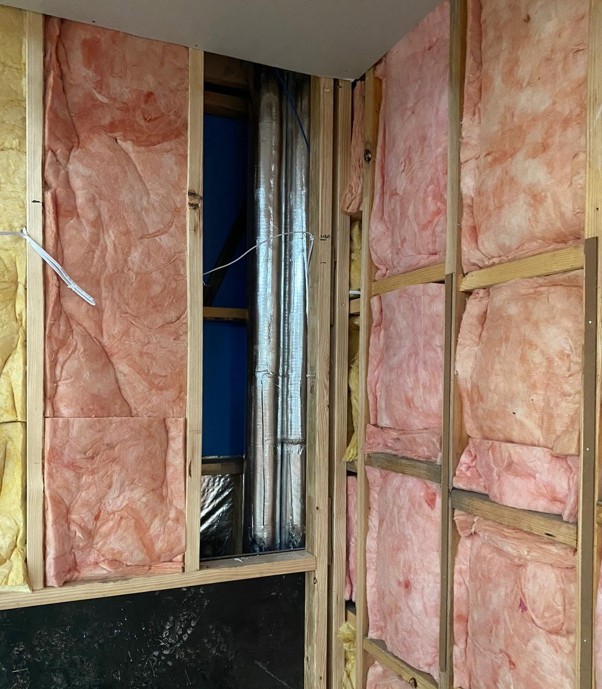
Melbourne’s climate can change significantly across the year, with hot summer days, cold winter mornings and regular fluctuations in temperature and humidity. For commercial buildings, apartments, townhouses and industrial facilities, these conditions can influence how pipe insulation needs to perform.
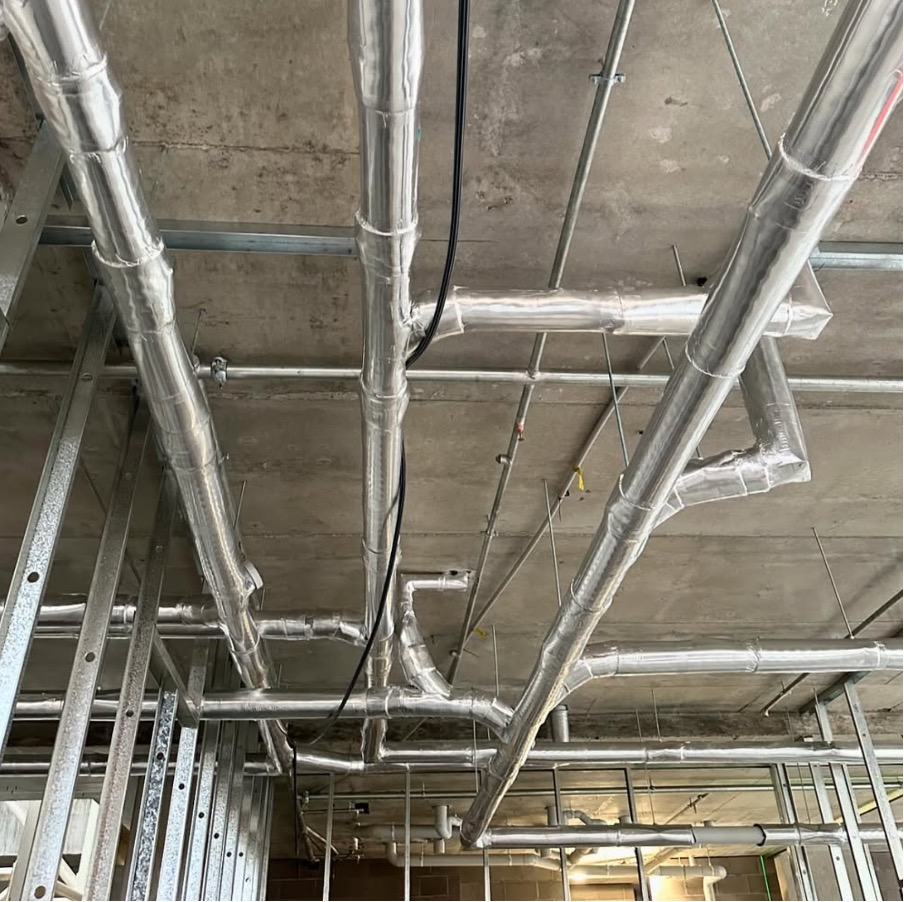
Pipe lagging is not simply about covering pipework with an insulating material. The insulation system needs to suit the temperature of the service, the surrounding environment, the pipe diameter and the conditions in which it will be installed.
For builders, developers and mechanical contractors, this becomes particularly important when thermal performance, condensation control and long-term durability are part of the project requirements.
At Martis Laggers, we work across Melbourne projects where pipework can be exposed to very different environmental conditions. Understanding how those conditions affect thermal lagging helps project teams make better decisions about insulation materials, thickness and installation.
Melbourne’s Changing Seasons Can Affect Pipe Insulation
Melbourne is known for its variable weather, and temperatures can move considerably between seasons and sometimes within the same day.
For insulated pipework, the important factor is the relationship between the temperature of the pipe, the insulation system and the surrounding environment.
A hot water pipe operating at an elevated temperature will behave differently from a chilled water pipe operating below the surrounding air temperature. The same insulation material and thickness may not be appropriate for every application.
This is why thermal lagging needs to be considered in the context of the entire system rather than simply selecting a standard thickness for all pipework.
For commercial and multi-residential projects, factors such as:
- Operating temperature
- Pipe diameter
- Insulation material
- Required thermal performance
- Surrounding temperature and humidity
- Location of the pipework
- Vapour control requirements
- Exposure to physical damage
- Installation conditions
- NCC regulations
can all influence the final insulation approach.
Summer Conditions and Thermal Lagging
Melbourne summers can bring high temperatures, particularly in plant rooms, roof spaces, service areas and other locations where ambient temperatures can rise beyond the outdoor air temperature.
For hot water and heating services, effective insulation helps limit unwanted heat loss from the pipework. This can support system efficiency and help maintain the intended temperature as the fluid travels through the building.
Chilled services present a different challenge.
When chilled pipework passes through a warmer environment, the temperature difference between the pipe surface and surrounding air can create condensation risk. If the insulation system is not designed and installed correctly, moisture can form on or within the insulation system.
This is one reason closed-cell insulation and effective vapour control are commonly considered for chilled applications.
The objective is not simply to make the insulation thicker. The complete insulation system needs to provide the required thermal resistance while limiting moisture movement into the insulation.
Winter Conditions Can Change the Thermal Requirements
Winter brings the opposite set of conditions.
Cold ambient temperatures can increase heat loss from hot water and heating services. For commercial buildings and apartment developments, poorly insulated pipework can allow more heat to escape into surrounding spaces rather than keeping that energy within the service.
Thermal insulation helps reduce this transfer.
For project teams, the required performance needs to be assessed against the operating conditions of the pipework. Insulation thickness can vary depending on the service temperature, pipe diameter, material and required R Value.
A thicker insulation layer can provide greater thermal resistance, but thickness alone does not determine performance. Different insulation materials have different thermal properties, meaning the material and thickness need to be assessed together.
This is particularly important on larger projects where multiple pipe sizes and service types may be present.
Humidity and Condensation Are Important Considerations
Temperature is only part of the equation. Humidity also affects condensation risk, particularly around chilled and cold services. Melbourne can experience periods of relatively high humidity, and the risk becomes more significant when warm, moisture-laden air comes into contact with surfaces that are below the surrounding air's dew point.
For chilled water pipework, the insulation system needs to limit heat gain and prevent moisture from reaching the cold pipe surface.
This makes vapour control an important part of the installation.
A system can have an appropriate insulation thickness and still experience problems if joints, seams, fittings or penetrations are poorly sealed.
From a lagging contractor’s perspective, these details matter because the insulation needs to function as a continuous system rather than a series of disconnected sections.
Insulation Materials Need to Match the Application
Melbourne's climate is one consideration, but the service itself remains a major factor when selecting an insulation material.
Closed-Cell Insulation
Closed-cell insulation is commonly used for applications where moisture resistance and condensation control are important.
It can be particularly suitable for chilled water and other cold services, provided the selected product and thickness meet the project's requirements.
The installation still needs careful attention to joints, seams and penetrations to maintain continuity.
Elastomeric Insulation
Elastomeric insulation is another option used across commercial HVAC and mechanical services.
Its flexibility can make it practical around pipework with bends and more complex geometries. Its suitability depends on the service conditions, required thermal performance and project requirements.
Mineral Wool and Rockwool
Mineral wool and rockwool systems can be appropriate for higher-temperature applications where different thermal and fire-performance characteristics are required.
Industrial pipework operating at elevated temperatures may require significantly greater insulation thickness than standard commercial hot water services.
External protection, such as aluminium jacketing, may also be required depending on the environment and application.
There is no single insulation material that suits every Melbourne project. The service conditions need to be assessed first.
Pipe Diameter Also Changes the Equation
Pipe diameter is another factor that can affect insulation requirements.
Larger pipework has a different surface area and heat-transfer profile from smaller pipework. On a major commercial or apartment project, there may be numerous pipe diameters running through the same building.
This means a project may require different insulation thicknesses or systems across different services.
For example, a central plant room may contain large chilled water lines alongside smaller distribution pipework. Applying the same approach to every pipe simply because the services are part of the same system can lead to an unsuitable result.
The insulation needs to be considered against the pipe diameter, operating temperature, material properties and required performance.
Installation Quality Matters in Melbourne Conditions
Even the correct insulation material and thickness can underperform if the installation is poor.
Common problem areas include:
- Gaps between insulation sections
- Poorly sealed joints
- Incomplete vapour barriers
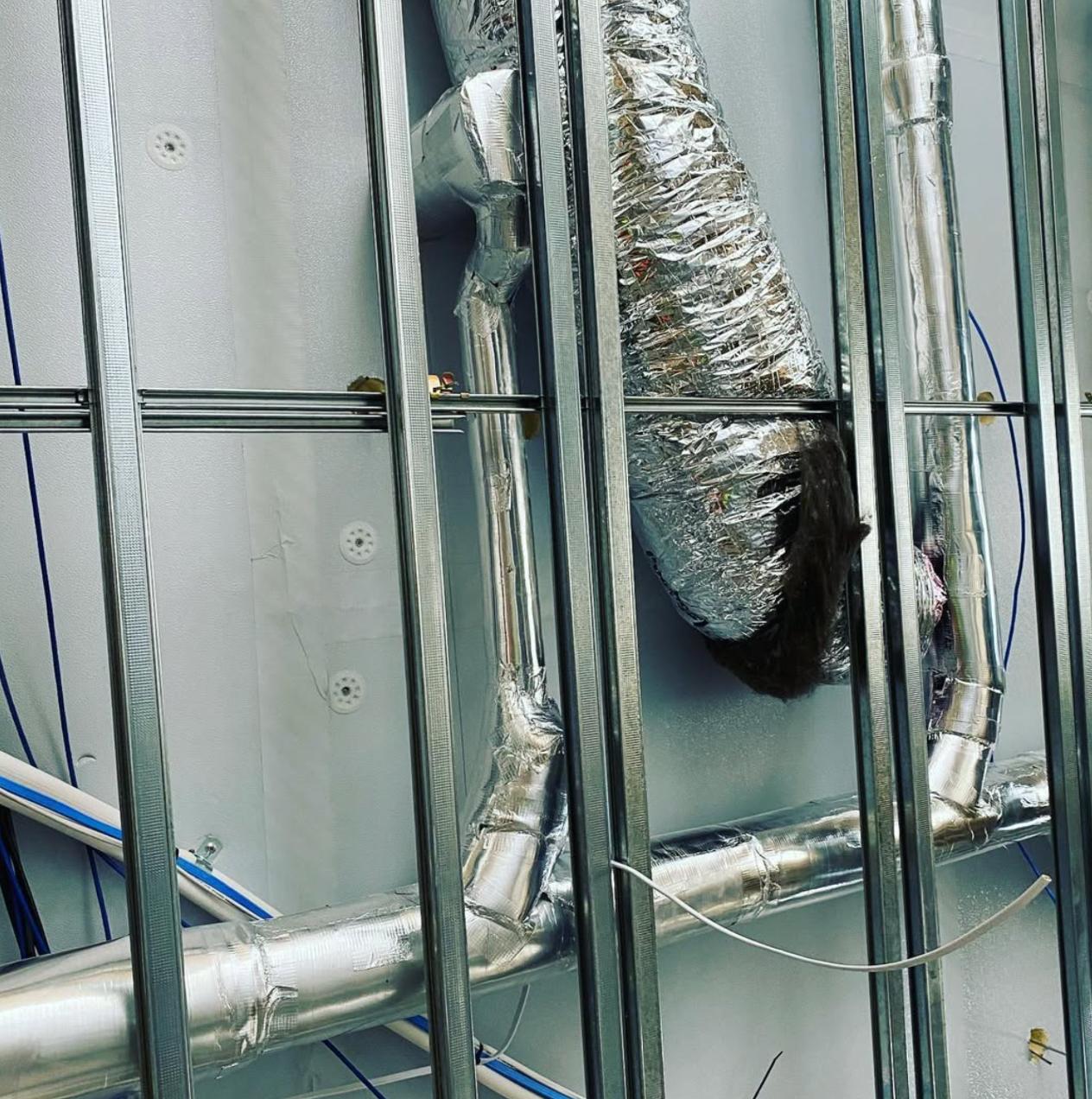
- Insufficient attention around valves and fittings
- Poorly treated penetrations
- Damaged insulation
- Compression or deformation of insulation
- Inconsistent thickness
- Inadequate protection in exposed areas
These issues can become particularly important when seasonal conditions place greater demands on the insulation system.
For chilled services, small gaps or failures in vapour control can create pathways for moisture. For hot services, gaps can reduce the continuity of thermal protection and increase heat loss.
On larger construction projects, installation quality also needs to be maintained across hundreds of metres of pipework and numerous fittings, valves and connection points.
Melbourne Projects Require Practical Planning
The environment in which pipe lagging is installed can be just as important as the final operating conditions.
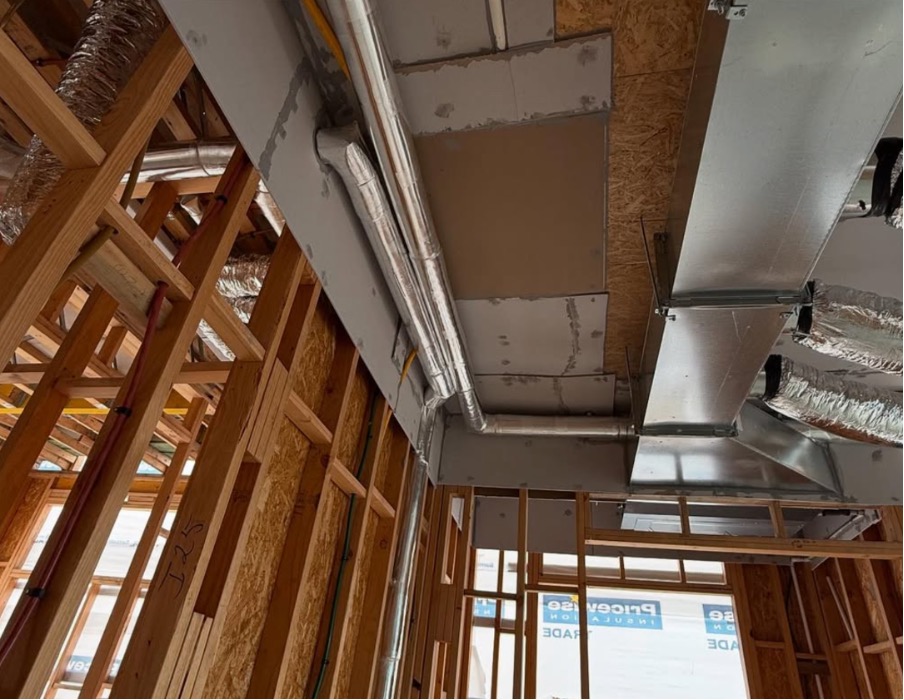
Apartment and townhouse developments can have congested ceiling spaces, risers and service cupboards where access is restricted. Commercial buildings can involve large plant rooms and extensive HVAC pipework. Industrial facilities may involve high-temperature services and additional external protection.
Construction sequencing can also affect the quality of the finished insulation.
Lagging installed too early can be exposed to damage from other trades. Installed too late, access may become difficult after ceilings, walls or other services are completed.
Early coordination allows the insulation contractor to identify access requirements and installation constraints before they become site problems.
Why Climate Should Be Considered Early
Melbourne's fluctuating weather does not mean every project requires a completely different insulation system. It does mean environmental conditions should form part of the technical assessment.
The right approach considers:
- The service temperature: hot, chilled or high-temperature.
- The pipe diameter: different sizes can require different insulation approaches.
- The insulation material: thermal and moisture characteristics vary between products.
- The required R Value: thickness needs to achieve the required thermal performance.
- Condensation risk: particularly important for chilled and cold services.
- Vapour control: joints and penetrations need to be properly treated.
- Installation environment: access, congestion and construction sequencing can affect quality.
- External protection: some pipework may require cladding or jacketing for durability.
For builders and contractors, considering these factors early can reduce the risk of rework and help ensure the completed pipework performs as intended.
Thermal Lagging for Melbourne Commercial Projects
Melbourne's changing temperatures provide a useful reminder that pipe insulation needs to be designed around the conditions in which the system operates.
Summer heat, winter cold and changes in humidity can all influence thermal performance and condensation risk. The correct material, thickness and installation method need to be considered together.
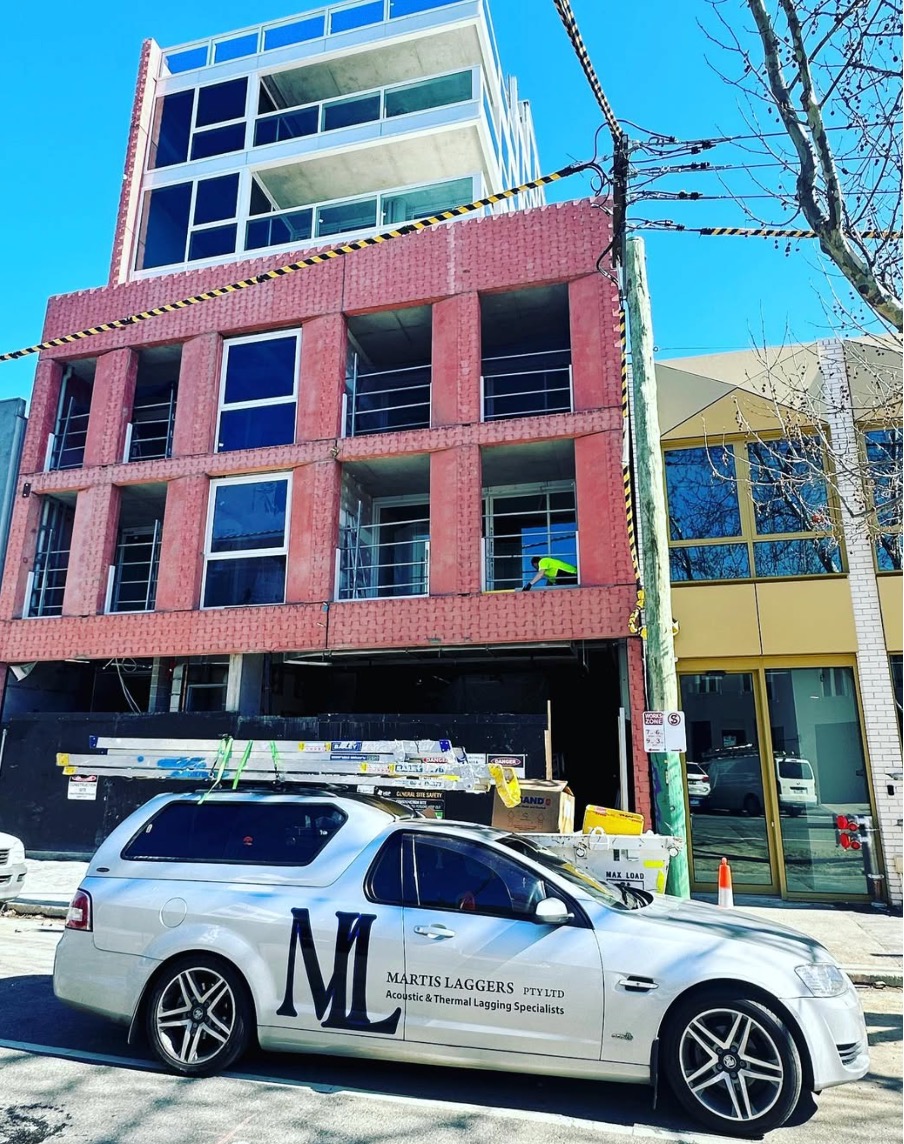
At Martis Laggers, we provide thermal and acoustic pipe lagging for commercial, industrial, apartment and townhouse projects across Melbourne. Our approach considers the practical requirements of the pipework, the building environment and the installation conditions on site.
If you have an upcoming project requiring thermal lagging, send Martis Laggers your drawings, pipe schedules or project details. Our team can assess the scope and provide a practical quotation based on the project requirements.
Disclaimer
This article is provided free of charge for public information. We do not guarantee, and accept no legal liability for, the accuracy, reliability, currency, or completeness of the content or any linked material. Users should apply their own judgment and verify the material’s relevance to their needs. This article is a general summary and not a substitute for legal or professional advice. Users should seek appropriate advice for their circumstances. Any third-party views expressed do not necessarily reflect ours or imply endorsement.